What is Psoriasis?
Psoriasis is a long-term skin condition that causes dry, thick, scaly patches to appear on the skin. These patches often red, silver, or white can be itchy, sore, or even painful.
It happens when skin cells are produced faster than normal due to an overactive immune response. Instead of taking a few weeks for new skin cells to form, it happens in just a few days, causing a build-up of cells on the skin’s surface.
While psoriasis can appear any part of the body, it is most likely to affect the scalp, elbows, knees, and lower back. It is not contagious but it can affect self-esteem and daily comfort.
This disorder occurs when the immune system mistakenly attacks healthy skin cells, accelerating their growth cycle. Typically, skin cells regenerate every few weeks, but in psoriasis, this process can occur in just a few days, resulting in a buildup that manifests as thick, inflamed areas on the skin.
Types of Psoriasis
There are several forms of psoriasis, and understanding which one you have can help guide treatment:
Plaque Psoriasis (Psoriasis Vulgaris): The most common type, causing raised, inflamed patches covered with silvery white looking scales.
Guttate Psoriasis: Small, drop-shaped sores that often appear after throat infections.
Inverse Psoriasis: Red, shiny patches found in skin folds (like under the breasts or around the groin).
Pustular Psoriasis: White blisters filled with non-infectious pus, often on the hands and feet.
Erythrodermic Psoriasis: A rare but severe type that causes widespread redness, itching, and peeling.
If you are unsure which type you have, it’s best to speak with a dermatologist who can make a clear diagnosis.
Psoriasis is a common condition affecting millions of individuals worldwide. Its prevalence varies, with studies indicating that it impacts approximately 2-3% of the global population. Beyond its physical manifestations, psoriasis can also profoundly affect the patient’s quality of life. The visible lesions can lead to psychological distress, social stigma, and challenges in everyday activities, underscoring the importance of effective management and treatment strategies. Understanding the complexity of psoriasis is crucial for patients and healthcare providers alike, as it paves the way for tailored interventions that enhance patient well-being and support.
Symptoms of Psoriasis
Symptoms vary from person to person, but they often include:
Red, scaly patches of skin
Itchiness or burning sensations
Cracked or dry skin that may bleed
Thickened or ridged nails
Stiff, swollen joints (a sign of psoriatic arthritis)
Some people experience “flare-ups” where symptoms worsen for days or weeks, then calm down again.
What Causes Psoriasis?
Psoriasis is not fully understood, but most experts agree it’s linked to an immune system overreaction. Your body mistakenly attacks healthy skin cells, leading to rapid cell turnover.
Common triggers include:
Stress: High stress levels can trigger or worsen symptoms.
Cold weather: Dry, cold air can make skin more irritated.
Infections: Especially throat infections, which can trigger guttate psoriasis.
Injury to the skin: Known as the Koebner phenomenon, where new patches appear after cuts or scrapes.
Medications: Some drugs, like beta-blockers or lithium, may worsen psoriasis.
Alcohol and smoking: Both are known to increase flare-ups.
Is Psoriasis Contagious?
No. Psoriasis is not contagious. You can’t catch it or spread it through touch, sharing towels, or any other physical contact. It’s an autoimmune condition not an infection.
How Is Psoriasis Diagnosed?
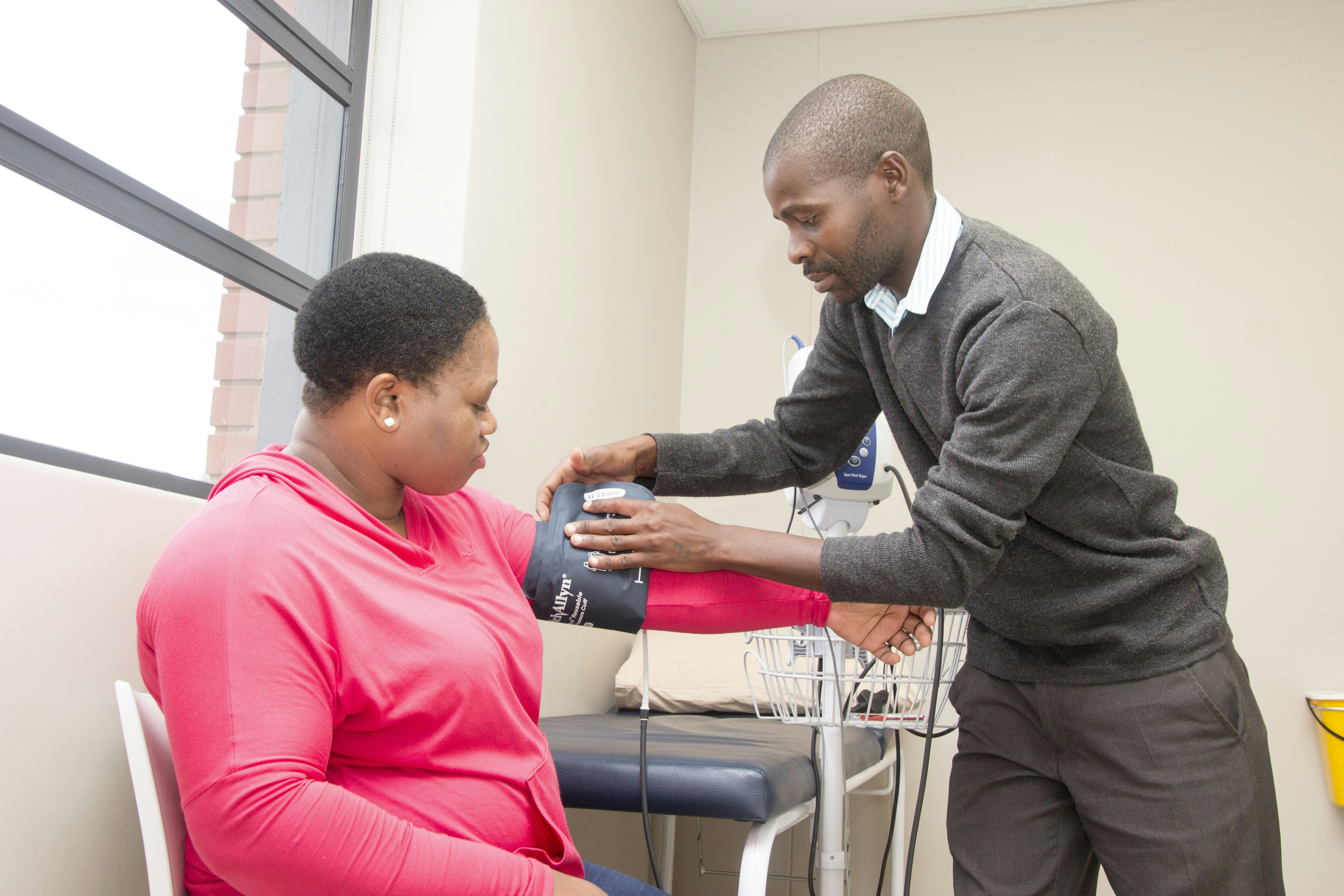
A dermatologist usually diagnoses psoriasis by examining your skin and asking about your medical history. In some cases, they might take a small skin sample (biopsy) to confirm the type.
If you have joint pain or swelling, your doctor may also check for psoriatic arthritis, which affects up to one third of people with psoriasis.
Treatment Options for Psoriasis
There’s currently no cure for psoriasis, but the good news is that many effective treatments can help manage it and reduce flare-ups.
Here are the main options, from home remedies to advanced medical treatments.
1. Topical Treatments (for mild cases)
These are creams and ointments you apply directly to your skin. They help slow skin cell growth, remove scales, and soothe itching.
Look for over-the-counter products that contain:
Salicylic acid: Helps soften and remove scales.
Coal tar: Soothes itching and reduces scaling (often found in shampoos).
Aloe vera or shea butter: Moisturises and calms irritation.
Urea creams: Hydrate thick, rough skin.
Dermalex Psoriasis Treatment Cream: Clinically Proven to Treat Mild to Moderate Symptoms of Psoriasis – 60g. Buy on Amazon for EUR15.00

Folliculitis Scalp Psoriasis Treatment Shampoo: Seborrheic Dermatitis, Dandruff & Itchy Scalp Relief with Salicylic Acid, Piroctone Olamine, Rosemary & Coconut Oil. Buy from Amazon for EUR28.03

Roycederm Seborrheic Dermatitis & Psoriasis Shampoo and Conditioner Set; Effective Scalp Treatment for Folliculitis, Psoriasis, Dandruff, Dry Itchy Scalp – Soothing, Moisturizing Herbal Formula. Buy on Amazon


Dermz H+P Replenishing Sensitive Body Wash: Antibacterial Body Wash for Eczema, Psoriasis, Dry or Sensitive Skin – Moisturise & Fight Dry Skin – Natural Shower Gel. Buy on Amazon for EUR17.51

Balmonds Skin Salvation Moisturising Balm 50ml: Natural Eczema & Psoriasis Treatment Suitable for All Ages, Handmade in UK. Buy on Amazon for EUR17.53

Tip: You can find psoriasis-friendly creams and shampoos with these ingredients on websites like Amazon, Boots, or Superdrug look for labels that mention “for dry or scaly skin.”
2. Prescription Creams
If over-the-counter options aren’t enough, a doctor may prescribe:
Vitamin D analogues (e.g., calcipotriol): Slow skin cell growth.
Topical corticosteroids: Reduce inflammation and itching.
Combination creams: A mix of steroid and vitamin D treatments for better results.
These are applied once or twice daily, depending on your doctor’s advice.
3. Phototherapy (Light Treatment)
This involves exposing the skin to specific wavelengths of ultraviolet light under medical supervision. It can slow skin cell production and ease symptoms, especially for moderate cases.
4. Systemic Medications
For severe or widespread psoriasis, oral or injectable medications can target the immune system directly.
These may include:
Methotrexate or cyclosporine – used for widespread symptoms.
Biologic therapies – newer treatments that target specific parts of the immune system (often given as injections).
These treatments need to be prescribed and monitored by a specialist.
5. Natural & Lifestyle Remedies
Many people find relief from gentle, natural approaches that support healthy skin and reduce triggers.
Here are some helpful habits:
Moisturise daily: Keeps skin hydrated and reduces dryness.
Bathe with care: Use warm (not hot) water and mild, fragrance-free cleansers.
Use a humidifier: Adds moisture to the air during dry seasons.
Eat a balanced diet: Foods rich in omega-3s (like salmon and flaxseed) may help reduce inflammation.
Manage stress: Try yoga, meditation, or breathing exercises.
Some people also use oatmeal baths, aloe vera gel, or coconut oil to soothe the skin — all commonly available online or at pharmacies.
What is the Best Diet for People who have Psoriasis
While no specific diet can cure psoriasis, certain foods can make a difference in managing symptoms.
Helpful foods:
Fatty fish (salmon, mackerel, sardines)
Colourful fruits and vegetables (antioxidants)
Olive oil and nuts
Whole grains
Foods to limit:
Processed foods
Sugary snacks
Alcohol
Red meat (can increase inflammation)
Keeping a food diary can help you identify what makes your symptoms better or worse.
Living With Psoriasis
Psoriasis can affect not just your skin, but also your confidence and mood. It’s common to feel frustrated or self-conscious but support is available.
You can connect with others through UK Psoriasis Association or online forums where people share tips and encouragement.
If you feel anxious or down, talking to a GP or therapist can help manage the emotional impact.
Frequently Asked Questions
1. Can psoriasis go away completely?
It can go into remission for months or years, but it may return. Consistent care helps reduce flare-ups.
2. What’s the best cream for psoriasis?
There isn’t one single “best” cream—it depends on your symptoms. Look for creams containing salicylic acid, aloe vera, or coal tar. Prescription creams with vitamin D analogues or steroids may be stronger options if needed.
3. Does stress really make psoriasis worse?
Yes. Stress is a common trigger. Relaxation techniques and good sleep habits can help reduce flare frequency.
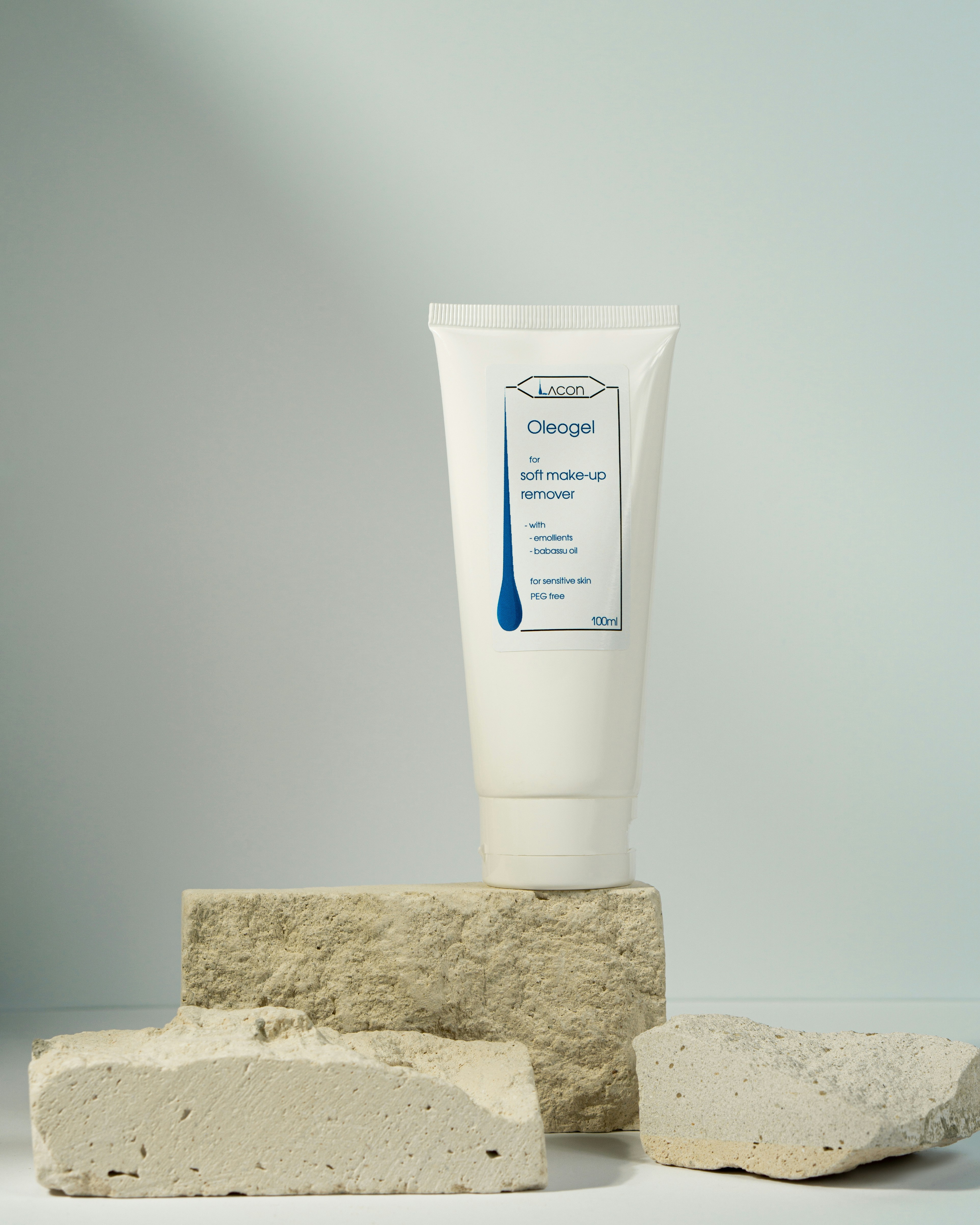
4. Can I use makeup if I have psoriasis?
Yes, but choose non-comedogenic, fragrance-free products. Always patch-test new products and remove makeup gently.
5. Is psoriasis linked to other health problems?
Yes, people with psoriasis may have a higher risk of heart disease, diabetes, or depression. That’s why regular check-ups are important.
More in Depth Explanation about the Causes and Triggers of Psoriasis
Psoriasis is predominantly understood as an autoimmune disorder that arises from an interplay of genetic and environmental factors. In individuals with a predisposition to this chronic skin condition, the immune system mistakenly targets healthy skin cells, accelerating their growth and leading to the development of red, scaly patches on the skin. This miscommunication within the immune system is critical in understanding why some individuals are more susceptible to psoriasis than others.
Genetics play a significant role in the development of psoriasis. Various studies suggest that approximately 30% of individuals with psoriasis have a family history of the disease, indicating a hereditary component. Specific genes have been linked to an increased risk of developing psoriasis, and research continues to unveil the intricate relationship between these genetic markers and the manifestation of the condition. Such insights aid in identifying those individuals who may be more vulnerable due to their genetic make-up.
In addition to inherent genetic factors, environmental triggers can significantly impact the onset and exacerbation of psoriasis symptoms. Stress is one of the most common culprits; it can lead to flare-ups by activating the immune response that harms the skin. Infections, such as streptococcal throat infections, can also serve as triggers, prompting the immune system to overreact. Furthermore, skin injuries—including cuts, scrapes, and severe sunburns—can initiate a phenomenon known as the Koebner response, where psoriasis lesions develop in areas of skin trauma.
Additional triggers include significant weather changes, particularly cold and dry conditions, which can contribute to skin dryness and worsen symptoms. Certain medications, particularly beta-blockers and antimalarial drugs, may also precipitate or aggravate psoriasis flare-ups. Understanding both the biological and environmental aspects of psoriasis is vital for effective management and treatment of this chronic condition.
Treatment Options for Psoriasis
Psoriasis is a chronic inflammatory skin condition that necessitates a multifaceted approach to treatment. The management of psoriasis can be categorized into three primary types: topical therapies, phototherapy, and systemic medications. Each category offers distinct mechanisms of action, benefits, and drawbacks that make them suitable for different patient needs.
Topical therapies are often the first line of treatment for mild to moderate psoriasis. These include corticosteroids, vitamin D analogs, retinoids, and calcineurin inhibitors. Corticosteroids work by reducing inflammation and slowing down cell turnover, while vitamin D analogs help to normalize skin cell production. Though generally effective, these treatments can have side effects, such as skin thinning with prolonged use, necessitating careful monitoring.
Phototherapy involves the controlled exposure to ultraviolet light, either through conventional light boxes or targeted therapies like excimer lasers. This method reduces skin plaques and inflammation by slowing skin cell growth. While effective for many patients, phototherapy can require multiple sessions and may increase the risk of skin cancer over time, warranting a discussion with a healthcare provider about the risks and benefits.
Systemic medications are prescribed for more severe cases of psoriasis and include both biological agents and conventional drugs. Biologicals, such as TNF-alpha inhibitors and IL-17 blockers, target specific components of the immune system to reduce the severity of psoriasis. These treatments can yield significant improvements; however, they may carry risks of infections and other complications, necessitating comprehensive pre-treatment evaluations.
Beyond pharmacological treatments, lifestyle modifications are essential components of an effective management plan. Maintaining a balanced diet, managing stress, and staying well-hydrated can significantly influence the overall wellbeing of individuals with psoriasis. It is also vital for patients to work closely with their healthcare providers to develop a tailored treatment strategy that considers their unique clinical presentation and lifestyle factors.
Final Thoughts
Psoriasis may be a lifelong condition, but it doesn’t have to control your life. With the right mix of skincare, lifestyle changes, and medical support, you can keep symptoms under control and live comfortably.
Small daily habits like moisturising, managing stress, and identifying triggers can make a huge difference.
If your symptoms are affecting your quality of life, don’t hesitate to reach out to your GP or a dermatologist for tailored treatment advice.