Understanding the Importance of a Moving Out Checklist
Moving out for the first time can be an exciting yet overwhelming experience. One of the vital tools that can help ease this transition is a moving out checklist. A checklist serves as a comprehensive guide, ensuring that nothing essential is forgotten during the packing and moving process.
Firstly, having a moving out checklist promotes organization. It allows you to break down the packing process into manageable tasks. By listing items that need to be packed, sorted, or handled differently, you create a clear path to follow. This level of organization can minimize the chaos that often accompanies moving, making the entire procedure more systematic. Each item ticked off as packed can generate a sense of accomplishment, further motivating you throughout the move.
Another benefit of utilizing a checklist is the effective management of time. A moving out checklist can highlight which items require more time to pack, such as fragile objects or larger furniture. By allocating your time efficiently, you can prevent last-minute scrambles that may arise when you realize certain essentials are missing just before moving day.
Additionally, a checklist plays a crucial role in stress reduction. The very act of preparing a checklist allows you to visualize what needs to be done, which can bring peace of mind and confidence. Instead of worrying about forgetting something important, you can focus on the overall moving experience. Furthermore, it serves as a reminder of tasks like notifying utility companies, changing address information, or arranging for transportation, ensuring that all necessary steps are taken.
Ultimately, a moving out checklist is an indispensable tool for first-time movers. Its ability to organize, manage time effectively, and reduce stress cannot be overstated. By employing this simple yet effective strategy, you can ensure your transition to a new space is as smooth and efficient as possible.
Key Categories to Include in Your Checklist
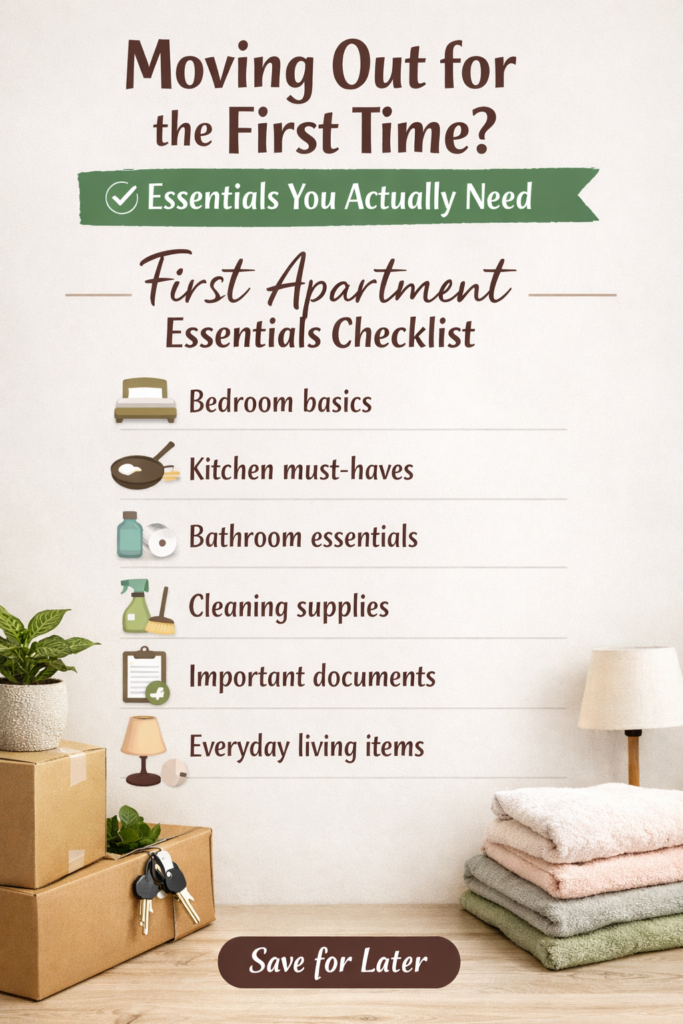
When moving out for the first time, organizing a comprehensive checklist is fundamental to ensure a smooth transition. The checklist should encompass various categories, each focusing on specific essentials required for your new living space. Here are five key categories to include in your checklist:
Kitchen: The kitchen is often considered the heart of your home, and it is essential to equip it with the necessary tools and appliances. Items typically include cookware such as pots, pans, and baking sheets, as well as utensils like knives, spatulas, and measuring cups. Additionally, don’t forget essential appliances such as a microwave, toaster, and refrigerator, along with dishware and storage containers.
Bedroom: Your bedroom should be a personal sanctuary. Essentials here include a comfortable mattress, bedding sets, pillows, and blankets. Storage solutions such as dressers or closet organizers are necessary for keeping your clothes neat and tidy. Depending on your personal preference, you may also want to include items like lamps, bedside tables, and curtains for added functionality and style.
Bathroom: In this category, focus on personal care items as well as fundamental bathroom supplies. Important essentials include towels, shower curtains, bath mats, and toiletries such as shampoo, soap, toothpaste, and toilet paper. Storage solutions like shelves or cabinets are also important for keeping everything organized. Don’t forget items like a first-aid kit, which can be crucial in emergencies.
Living Room: The living room serves as a space for relaxation and socialization. Key items may include a sofa, chairs, tables, and entertainment systems such as a television and sound system. Decorative items like rugs, curtains, and artwork can enhance the overall ambiance and comfort of the area, making it a welcoming environment for guests.
Important Documents: Lastly, ensure that you have a category dedicated to important documents. This includes identification papers, lease agreements, insurance policies, and financial documents. Keeping these documents organized and easily accessible will help to ease any potential stress during your move and ensure you have everything you need at your fingertips.
Essential Kitchen Items You Shouldn’t Forget
Having a well-equipped kitchen is fundamental for anyone moving out for the first time. It not only facilitates daily meal preparation but also plays a significant role in establishing a comfortable living environment. Below are the essential kitchen items that should be on your checklist.
Firstly, cookware is a must-have. This includes pots and pans in various sizes, compatible with your cooking needs. A non-stick frying pan can make your cooking experience easier while reducing the likelihood of food sticking. Additionally, a sturdy baking sheet and casserole dish will be beneficial for baking and roasting.
Next, invest in high-quality utensils. Essential utensils encompass a spatula, ladle, whisk, and a set of knives. A cutting board is also necessary to protect your kitchen surfaces. Furthermore, don’t overlook the significance of measuring cups and spoons, as precise measurements are often crucial in cooking and baking. Buy here!
In terms of tableware, plates, bowls, and glasses are vital for serving meals. It is advisable to choose durable materials that can withstand daily use. Additionally, having a set of silverware, including forks, knives, and spoons, is essential for proper dining. Buy here!
Appliances also play a critical role in enhancing kitchen functionality. Key appliances include a microwave for quick meals, a toaster for breakfast options, and a blender for smoothies or sauces. If you enjoy coffee, consider adding a coffee maker, ensuring you have an energizing start to your day.
Overall, organizing your kitchen with these essentials will enable you to cook efficiently and help create memorable culinary experiences. Being prepared with the right tools will undoubtedly make your transition to independent living smoother.
Bedroom Necessities for Your New Space
Moving out for the first time can be an exciting yet daunting experience. One of the most important aspects of your new living space is the bedroom, a sanctuary that promotes rest and comfort. To create a conducive environment for relaxation, it is essential to invest in a few key items. This checklist will guide you through the essentials needed for a comfortable bedroom.
First and foremost, quality bedding is crucial. A comfortable mattress paired with a supportive foundation can significantly enhance your quality of sleep. Consider investing in a mattress that suits your sleeping style, whether that be firm or plush. Once you have selected a mattress, various bedding accessories, including fitted sheets, a duvet or comforter, and multiple pillows, will complete your bed setup, ensuring you have the optimal sleeping experience. Buy mattress here!
Next, the importance of furniture cannot be overlooked. A sturdy bed frame not only elevates your mattress but also adds to the overall aesthetic of your bedroom. A nightstand would be beneficial for bedside essentials such as a lamp, clock, or your favorite book. Buy here!
Additionally, consider a dresser or storage solutions like under-bed containers or closet organizers to keep your belongings tidy and easily accessible, ultimately contributing to a clutter-free environment that aids relaxation. Buy here!
Lighting also plays a significant role in setting the mood of your bedroom. Incorporate various lighting options, including ambient lighting for relaxation and task lighting for activities such as reading. Ensure your bedroom is a place of peace, which can be achieved through thoughtful color choices and personal decor. Buy ocean wave sensory bedroom lights.
In summary, creating a comfortable bedroom environment requires careful consideration of bedding, furniture, and personal touches that make the space your own. Prioritizing these essentials will contribute to your overall comfort and well-being in your new home.
Bathroom Basics: What You Need to Bring
When moving out for the first time, taking stock of bathroom necessities is crucial. A well-stocked bathroom contributes to both comfort and hygiene in your new space. Start by gathering essential toiletries. This should include shampoo, conditioner, body wash, and toothpaste, ensuring you have everything you need for daily care and cleanliness. Don’t forget skincare products, as personal grooming should not be overlooked when settling into your new environment. Buy shampoo and conditioner set.
Next, towels are an important component of your bathroom setup. Invest in a set of bath towels, hand towels, and washcloths to ensure you have enough for daily use. Opt for absorbent materials that provide comfort and efficiency. Additionally, consider bringing a bath mat to add an extra touch of warmth and coziness to your bathroom. Buy towels from Amazon.
Shower curtains are another essential item to include in your moving checklist. A well-chosen shower curtain not only adds a personal touch to your space but also helps maintain privacy while you shower. Make sure to purchase a waterproof liner as well, as this will prolong the life of your curtain and help in preventing mold and mildew growth. Buy here!
Maintaining cleanliness in your bathroom is vital for a pleasant living experience. Therefore, be sure to bring along cleaning supplies such as toilet cleaner, all-purpose cleaner, and sponges. Having these items on hand allows for easy upkeep and ensures that your bathroom remains a healthy space. Regular cleaning will also reduce stress and create a more inviting atmosphere. Buy here!
In summary, moving out for the first time involves careful attention to detail when it comes to bathroom essentials. From toiletries and towels to shower fixtures and cleaning supplies, compiling these items will help create an organized and clean personal space.
Living Room Essentials to Make Your Space Inviting
The living room serves as the heart of any home, a space for relaxation, entertainment, and social interaction. When moving out for the first time, it is essential to carefully select furniture and decor that will help create a cozy and inviting atmosphere. Key items to consider include comfortable seating, sufficient lighting, decorative elements, and entertainment options.
First and foremost, invest in quality seating. Sofas, chairs, and ottomans are crucial for providing comfort while entertaining guests or enjoying a quiet evening at home. Opt for designs that complement your personal style and the overall aesthetic of your living room. Sectional sofas, for example, can provide ample space for guests, while recliners offer added comfort. Buy Sofas on Amazon.
Next, focus on lighting, which is vital for setting the mood in your living space. Combining ambient lighting with task lighting creates a warm atmosphere. Consider floor lamps, table lamps, or wall sconces to enhance the functionality and aesthetics of your room. Additionally, the use of dimmer switches allows for greater control over the intensity of lighting, making it easy to transition from day to night.
Incorporating decorative pieces elevates the ambiance of your living room. Wall art, throw pillows, and area rugs can inject personality and color, while plants add a touch of nature. Using mirrors can also create the illusion of space and reflect light, making your living area feel larger and more welcoming.
Lastly, consider entertainment essentials. A television, sound system, or gaming console can provide endless enjoyment and serve as a focal point during gatherings. Ensuring that your electronics are well-organized and comfortably arranged will make your living room both functional and inviting.
By thoughtfully selecting these living room essentials, you can create a delightful environment that is perfect for both relaxation and entertainment, ensuring that your new space welcomes you and your guests alike.
Organizing Important Documents for Moving
When preparing for a move, one of the most critical yet often overlooked tasks is organizing important documents. These papers will play a vital role in facilitating a smooth transition to your new living situation. It is essential to gather, review, and store documents that will not only serve immediate purposes but also assist in any future needs related to your move.
Start by collecting all relevant lease agreements. If you are renting, ensure that you have the signed lease for your current place, as well as any lease for your new residence. This will help you understand your responsibilities and confirm your rights as a tenant. Additionally, keep any correspondence from your landlord or real estate agent, as this documentation may be needed for reference during the move-in process.
Identification documents are also necessary for the moving process. Make copies of crucial items such as your driver’s license, passport, and Social Security card. These documents may be required by various agencies or service providers during the transition, and having physical copies can be a considerable advantage. For added security, it is advisable to store these documents in a safe, accessible location throughout your move.
Another important type of document includes moving contracts and agreements with your moving company. Thoroughly review these contracts to ensure that all details align with your expectations. Pay close attention to the dates, terms, and costs involved. Also, keep records of any communication with the moving company to help manage any potential issues that may arise.
In conclusion, organizing important documents diligently can significantly reduce stress during your moving process. Ensuring easy access to your lease, identification, and moving contracts will not only provide peace of mind but also streamline various tasks associated with relocating to a new home.
Budgeting for Your Move
Moving out for the first time can be an exhilarating yet daunting experience. One of the essential aspects of this transition is creating a comprehensive budget that encompasses all aspects of moving expenses. Having a well-thought-out budget can serve as a financial road map, helping you to allocate funds efficiently and avoid potential financial stress both during and after your move.
To start, it’s important to consider the main costs associated with moving. Hiring professional movers may be one of the most significant expenses. Research different moving companies to find quotes that fit within your budget. While some people may opt for a DIY approach to save money, remember to factor in costs for renting a truck or van, fuel, and potentially paying friends or family for their assistance.
In addition to transportation costs, you’ll also need to budget for packing supplies. This includes items such as boxes, bubble wrap, tape, and markers for labeling. These supplies can add up quickly, so it’s advisable to shop around for the best deals or consider borrowing boxes from local stores or friends to minimize expenses.
Other potential costs may involve utility connection fees, deposits for your new place, and even unforeseen expenses such as repairs or cleaning in your old or new residence. Setting aside a small emergency fund can provide financial flexibility in uncommon situations.
Moreover, sticking to a budget will not only assist you in managing moving costs but also ensure that you can settle into your new home without financial strain. By monitoring expenses and adjusting your budget as needed, you can make informed financial decisions that will give you peace of mind during this significant life change.
Tips for a Smooth Moving Day
Moving day can often be a daunting experience, but with the right preparation and planning, it can be transformed into a seamless process. To ensure a smooth transition to your new home, consider these practical tips that focus on packing, timing, and enlisting the right help.
Firstly, a significant factor on moving day is packing. Begin by organizing your belongings systematically. Use labeled boxes to categorize items based on the room they belong to, such as “kitchen,” “bedroom,” or “bathroom.” This will not only streamline the unpacking process but also help you identify essential items easily. It’s advisable to pack non-essentials well in advance and reserve the final days before the move for your everyday necessities. Moreover, protect fragile items using bubble wrap or blankets to prevent damage during transportation.
Timing is critical on moving day. Start early, as this allows you ample opportunity to address any unforeseen issues that may arise. Create a detailed moving timeline that outlines the day’s events, ensuring you allocate specific times for loading, travel, and unloading at your new location. This level of organization will keep you on track and minimize stress levels throughout the day.
Furthermore, enlist help from friends or family to lighten the load during this hectic time. Having an extra set of hands can significantly expedite the moving process. If feasible, consider hiring professional movers, as their experience and efficiency can alleviate the burden of managing the logistics. It is crucial to communicate your plan and requirements clearly with any helpers you recruit, so they understand their roles on moving day. Being well-prepared will not only create a more efficient moving day but also contribute to a more enjoyable experience overall.