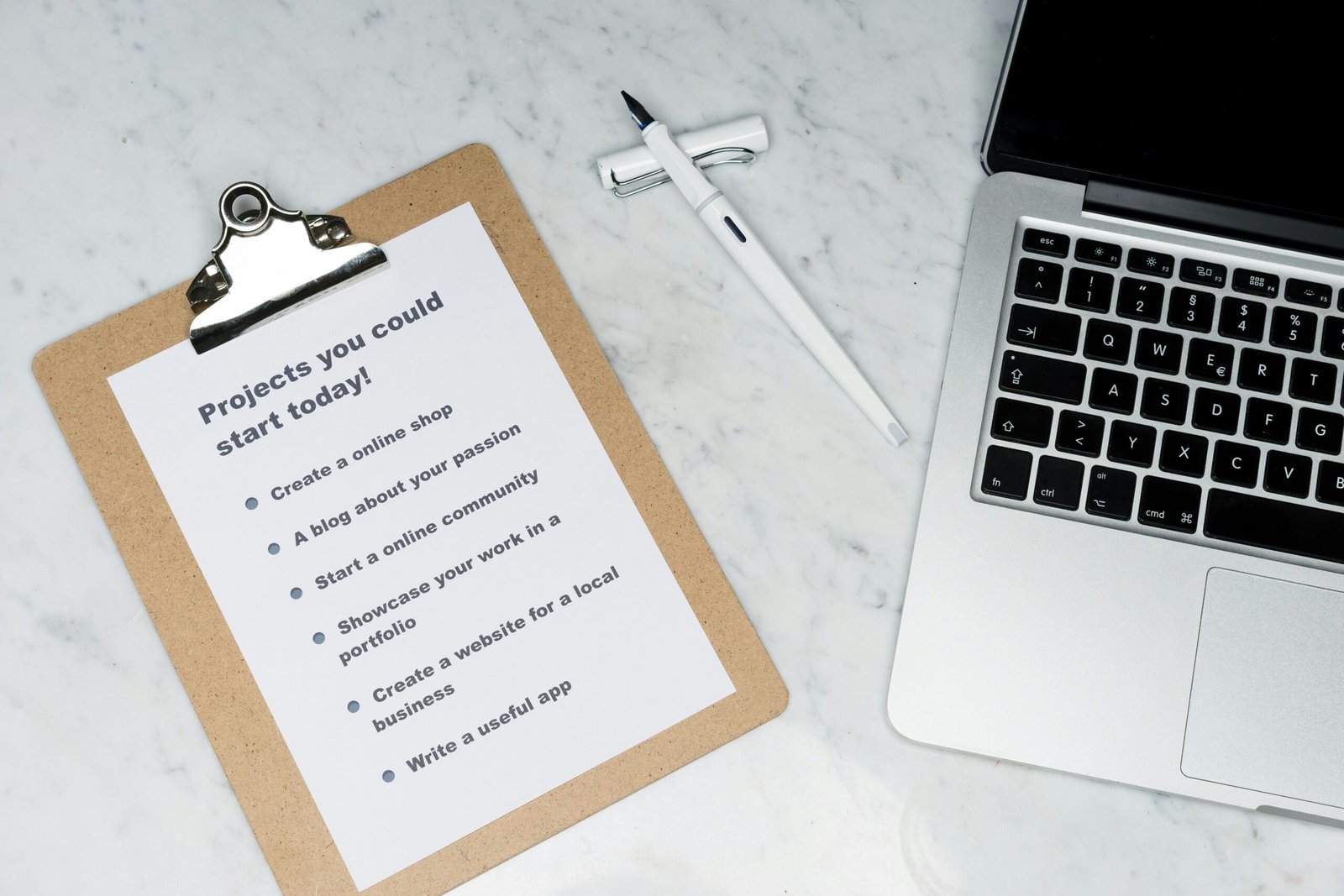
The barrier to starting a business has never been capital.
There’s a persistent myth that starting a business requires deep pockets, a bank loan, a warehouse, a stack of inventory, and months of runway. The reality in 2026 looks very different. The tools available today mean that a laptop, a reliable internet connection, and a genuine skill are often all you need to go from zero to your first paying customer.
Whether you’re looking to escape the 9-to-5, build a side income, or test an idea before going all in, these ten business models offer real earning potential with minimal upfront cost.
1. Freelance Writing & Content Creation
Startup cost: £0–£50
Businesses, blogs, and brands all need words, and most of them don’t have the time or talent to produce them consistently. If you can write clearly, you already have a marketable skill.
Content writing, copywriting, ghostwriting, and technical writing are all in demand. Start by pitching on platforms like Upwork, Contra, or Substack, or reach out directly to small businesses in your niche. As you build a portfolio, you can move toward retainer clients and charge premium rates.
What makes it work in 2026: The rise of AI content has paradoxically increased demand for skilled human writers who can produce nuanced, authoritative, and genuinely engaging material that AI tools struggle to replicate.
2. Social Media Management
Startup cost: £0–£100
Small businesses know they need a social media presence, many just don’t have the time or confidence to maintain one. That’s your opening.
As a social media manager, you plan content calendars, write captions, design graphics (using free tools like Canva), schedule posts, and track performance. You can start with one or two local clients and grow through referrals.
What makes it work in 2026: Short-form video on TikTok, Instagram Reels, and YouTube Shorts continues to explode, and businesses are actively looking for people who understand the format.
3. Online Tutoring or Coaching
Startup cost: £0–£150
If you have expertise in a subject ; academic, professional, or personal, you can turn it into income by teaching others. Tutoring platforms like Tutorful, Superprof, and MyTutor connect you with students immediately. Alternatively, coaching in areas like career development, fitness, mindfulness, or business strategy can command higher rates.
The tools are already at your disposal: Zoom or Google Meet for sessions, Calendly for scheduling, and Stripe or PayPal for payment.
What makes it work in 2026: Remote and flexible learning is now the norm. Parents, professionals, and students expect on-demand, personalised instruction, and they’re willing to pay for it.
4. Print-on-Demand Products
Startup cost: £0
With print-on-demand (POD), you design products ; t-shirts, mugs, tote bags, phone cases, and a third-party supplier prints and ships them only when someone places an order. You never hold inventory, and you never pay upfront for stock.
Platforms like Printful, Printify, and Redbubble integrate directly with Etsy or Shopify stores. Your job is to create designs that resonate with a specific audience and market them effectively.
What makes it work in 2026: Niche communities, from hobbies to fandoms to professions, are willing to buy products that speak directly to their identity. The more specific your niche, the less competition you face.
5. Virtual Assistant Services
Startup cost: £0–£50
Entrepreneurs, executives, and small business owners are overwhelmed with administrative tasks: inbox management, scheduling, data entry, customer service, research, and more. A virtual assistant (VA) handles these tasks remotely, freeing up their clients’ time for higher-value work.
This business requires no formal qualifications, just reliability, strong organisational skills, and clear communication. You can find clients through VA marketplaces like Virtalent, Belay, or simply LinkedIn.
What makes it work in 2026: The remote-first business world has normalised the VA relationship. Many solopreneurs now hire VAs before they hire anyone else.
6. Dropshipping
Startup cost: £50–£300
Dropshipping lets you sell products online without manufacturing or stocking them yourself. When a customer orders from your store, you purchase the item from a supplier who ships it directly to the buyer. Your profit is the margin between the retail price you set and the wholesale price you pay.
Platforms like Shopify combined with supplier directories like DSers or Zendrop make it possible to launch a store in days. The real work lies in product research, marketing, and customer service.
What makes it work in 2026: Faster fulfilment networks and improved supplier quality have addressed many of the reliability concerns that plagued dropshipping in earlier years, making it a more viable long-term model.
7. Selling Digital Products
Startup cost: £0–£100
Digital products; ebooks, templates, Notion dashboards, Lightroom presets, Excel spreadsheets, courses, stock photography, are created once and sold indefinitely. There’s no inventory, no shipping, and no marginal cost per sale.
Platforms like Gumroad, Etsy (for digital downloads), or Teachable make it straightforward to publish and sell. The key is identifying a specific problem your audience has and building a product that solves it.
What makes it work in 2026: Creator tools have become sophisticated enough that a solo founder can produce professional-quality digital products without a team or technical background.
8. Affiliate Marketing
Startup cost: £0–£100
Affiliate marketing means earning a commission every time someone makes a purchase through your unique referral link. You don’t sell anything directly, you recommend products or services through a blog, YouTube channel, newsletter, or social media account.
Sign up for programmes like Amazon Associates, ShareASale, or direct brand partnerships. The more targeted and trusted your audience, the higher your conversion rate.
What makes it work in 2026: Audience trust has become a currency. Micro-influencers and niche content creators often outperform large accounts because their recommendations carry more genuine weight.
9. Podcast Editing & Audio Production
Startup cost: £0–£200
Podcasting is booming, and behind every good podcast is someone who edited out the “ums,” balanced the audio levels, and added the intro music. Many podcasters would rather outsource this than learn to do it themselves.
Free tools like Audacity or affordable software like Adobe Audition can get you started. Build a portfolio by offering discounted edits to new podcasters, then raise your rates as demand grows.
What makes it work in 2026: The number of active podcasts continues to climb, and many solo creators are monetising their shows, meaning they have both the need and the budget to hire editors.
10. Local Service Business (Lawn Care, Cleaning, Pet Services)
Startup cost: £50–£500
Not every business lives online. Local service businesses, lawn mowing, house cleaning, dog walking, errand running, car washing, have low startup costs and immediate, local demand. The barriers to entry are low, and word-of-mouth growth can be rapid.
Apps like TaskRabbit, Bark.com, or Rover let you plug into existing marketplaces. Alternatively, a few well-placed flyers and a Facebook community post can land your first clients within days.
What makes it work in 2026: Time-poor households are increasingly willing to pay for convenience. Once you build a reputation for reliability, retention is high and referrals are plentiful.
The Common Thread
Every business on this list shares a few key traits: they leverage existing skills or accessible tools, they start small and scale with demand, and they don’t require you to risk significant capital before you know there’s a market.
The most important investment in any of these ideas isn’t money, it’s time, consistency, and a willingness to start before you feel ready.
Pick one. Start this week. Adjust as you learn.
Have a business idea you’d like to explore further? The first step is always simpler than it looks.